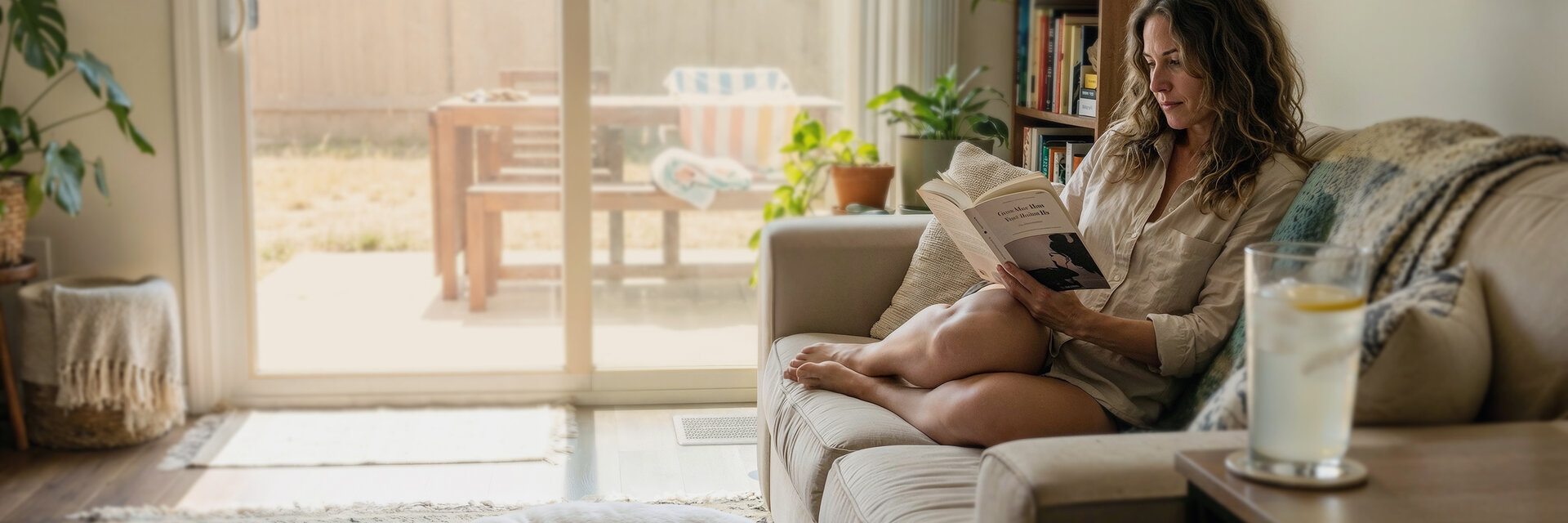
Heatwaves are no longer rare. They are becoming a regular feature of European summers.
As temperatures rise, many homes struggle to maintain a comfortable indoor climate. What used to work for colder seasons is now causing problems in summer. Across Europe, there is a growing gap between how buildings were designed and how they perform during extreme heat.

Many homes in Northern and Western Europe were designed to retain heat, not release it. Features like airtight construction and heavy insulation are highly effective in winter, but during summer they trap heat indoors for days. Even in Southern Europe, where buildings are traditionally designed to deal with sunlight and high temperatures, warmer nights and rising humidity are reducing the ability of homes to cool down naturally.




A common instinct is to open windows at night to cool your home down. But during a heatwave, this often doesn’t work.
When outside temperatures remain high overnight, there is not enough temperature difference and air-flow to remove heat from your home. Warm air circulates, leaving indoor temperatures almost unchanged.
This is why many people experience poor sleep, discomfort, and overheating indoors, even at night.
By the third or fourth consecutive hot day, indoor temperatures can rise to uncomfortable, or even unhealthy levels.
Heatwaves don’t just affect outdoor conditions. They put pressure on:




While air conditioning cools quickly, it recirculates indoor air (redistributing CO₂, bacteria, and pollutants) instead of bringing in fresh air. It cools isolated spaces and creates an artificial, cold airflow, while driving up energy use, costs, and emissions.
That’s why relying solely on air conditioning is not a sustainable long-term solution.
The key to maintaining a comfortable indoor climate is preventing heat buildup, not just removing it afterwards.
This is where balanced ventilation combined with smart cooling plays a crucial role.
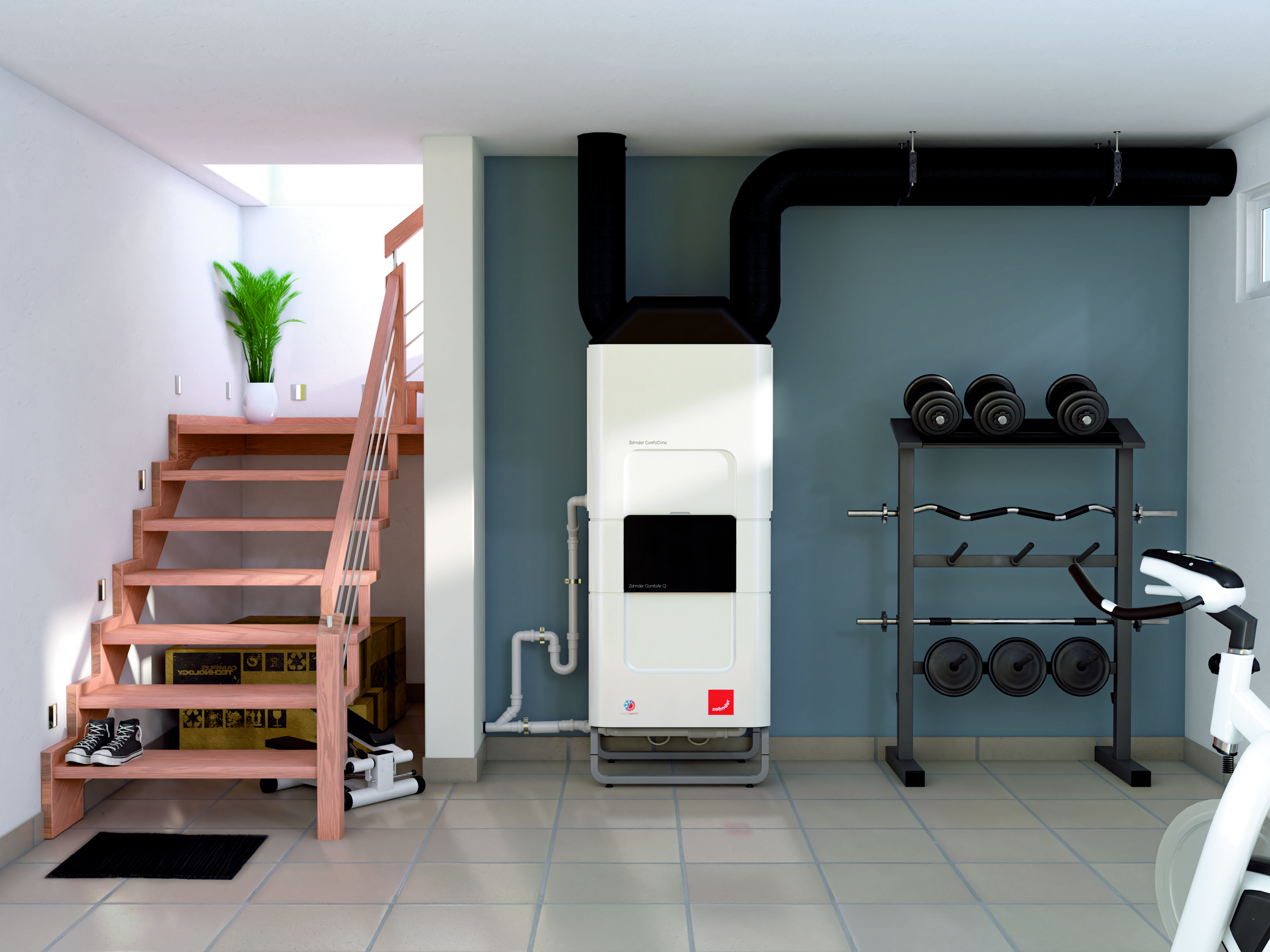
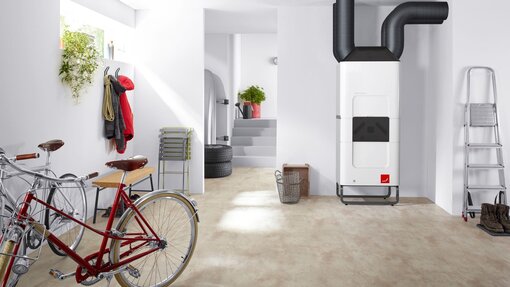
Zehnder ComfoClime reduces overheating by supplying cooled, fresh, filtered air through the ventilation system.
Instead of reacting when temperatures rise, it works proactively, stabilising indoor conditions before discomfort occurs.
In combination with the Zehnder ComfoAir Q balanced ventilation system, this becomes a truly integrated climate solution. It continuously brings in 100% fresh outdoor air while extracting stale air. Preventing heat build-up in the first place through passive cooling and night-time cooling strategies.
Thanks to its integrated heat pump technology, active cooling is only used when needed, keeping energy use low while maintaining comfort. At the same time, the system ensures clean, filtered air, balanced humidity levels, and a healthy indoor environment with low CO₂, fewer pollutants, and reduced risk of mould and dust mites. It's not just cooling, but balanced, healthy, and energy-efficient living.
Unlike traditional air conditioning, there is no recirculation, no cold airflow, and no need for external units. Comfort is delivered quietly and consistently across the entire home.



Foggy windows, musty smells, and cold walls or ceilings are common signs. Over time, this can affect well-being and increase the risk of mould — especially in winter months.
Use cross ventilation by opening windows on opposite sides for a few short periods daily. It lets air immediately escape without causing excessive cooling. Also, reverse ceiling fans can help circulate heated air downward.
Yes. Leaving windows open for long periods can cool ceilings and walls and cause temperature falls, making it harder to keep your home properly heated.
Yes. It's a good practice to open windows in the morning to remove stale air and water vapour from the night. Just a few minutes is enough in cold weather.
Sleeping with windows open slightly isn’t ideal in cold weather. It can lead to increased heating costs and prevent effective ventilation. Use short bursts of fresh air before bed instead.
Fill in the webform to download the Cooling Guide and gain valuable insights into preventing overheating in homes. Followed by information and expert tips on home climate. You’ll also receive a voucher with 10% discount in the Zehnder webshop for filters.
Please read our Privacy Policy.
General Request
Contact FormOffer Request
Contact FormOrder Request
Contact FormGeneral Request
+44 (0) 1276 605 800Technical Support
+44 (0) 1276 605 800