
The Future Homes Standard represents one of the most significant shifts in UK building regulations for more than a decade. While there is still detail to clarify, the direction of travel is clear and, from Zehnder’s perspective, it is broadly a welcome move toward more energy‑efficient, future‑proof homes.
As a sector built around delivering healthy, comfortable indoor environments, we believe the new standard lays important foundations for improving housing performance. And encouragingly, several of the proposed changes directly support the kind of considered, high‑quality ventilation design that modern, low‑carbon homes rely on.
Right now, the UK is pivoting decisively toward low and zero‑carbon homes, with tighter fabric standards, improved insulation, low‑carbon heating systems, and a stronger emphasis on overall energy performance. These changes are necessary, and it is a strident move in the right direction, as well as being well overdue.
From our viewpoint, any regulation that encourages better‑performing buildings is a positive step forward.
Higher insulation and greater airtightness are key to reducing heat loss, but they also make effective, reliable ventilation absolutely essential. It is reassuring to see this connection increasingly recognised across the industry.
Several elements of The Future Homes Standard point towards a more mature approach to ventilation design, installation and commissioning:
| 1. The move away from flexible ductwork | Flexible ducting has long been associated with poor airflow, unnecessary resistance, and long‑term performance issues. A regulatory shift away from its widespread use is a good thing for system efficiency, reliability and indoor air quality. We must be leaning into ridged and semi-ridged ducting for optimum ventilation system performance. |
| 2. More considered ventilation planning | The introduction of pressure‑drop calculations for dMEV systems as well as MEV and MVHR The introduction of pressure drop calculations and limitations for dMEV systems >2m as well as all MEV and MVHR, ensures that ventilation systems should be designed with the correct sized ductwork. Properly designed air paths and predictable performance help deliver healthier, more comfortable homes. |
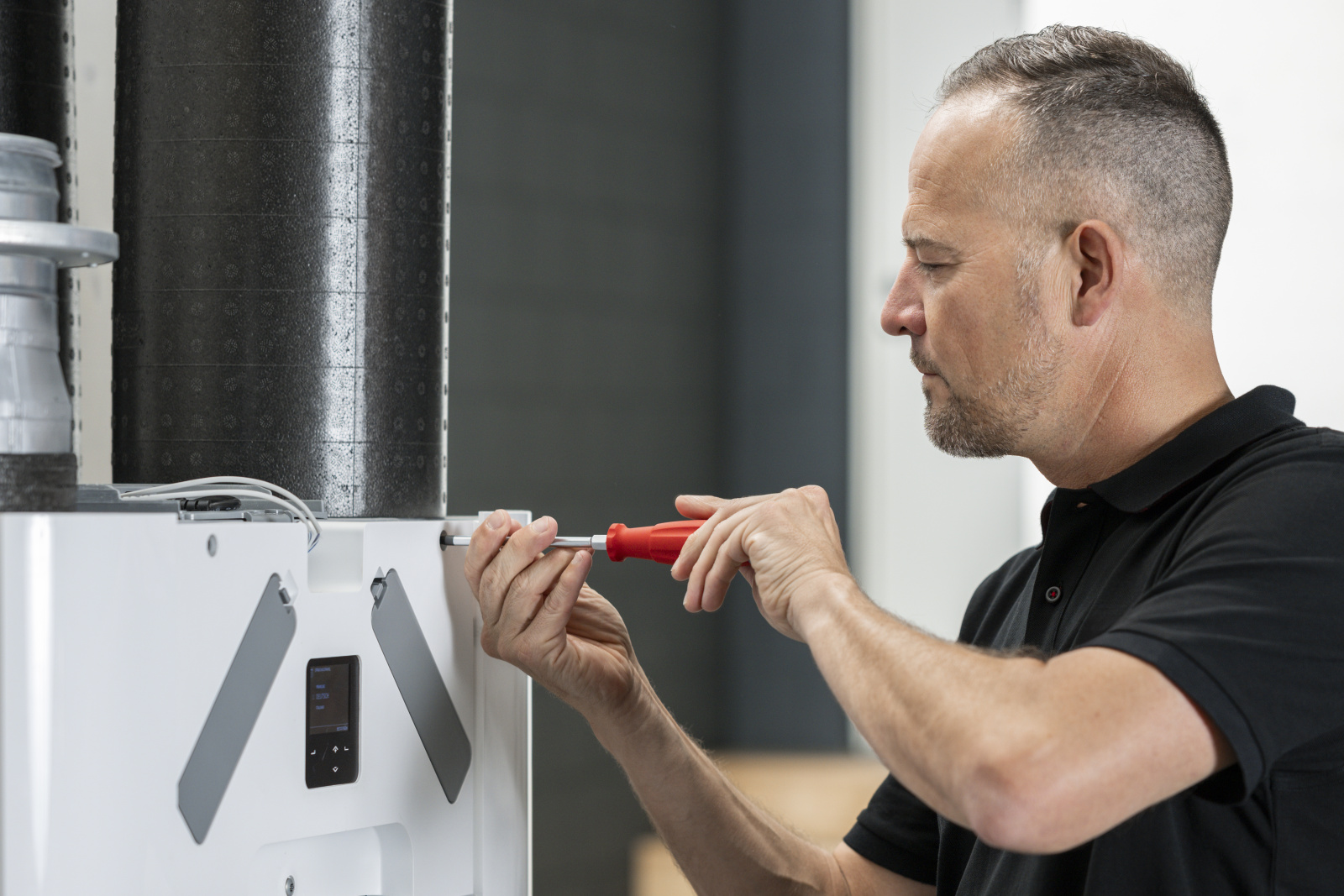
| 3. A proposed move to installer accreditation | This could be transformative. By raising the bar for competency, the industry can move away from the “anyone can fit a fan” mindset that has historically undermined ventilation performance. It should also reduce the risk of untrained tradespeople being pushed to install systems they’re not equipped to handle - a long‑standing industry challenge. |
| 4. More comprehensive tests at commissioning | Strengthening the commissioning stage is essential for ensuring systems perform as designed. The requirement for specific tests using specialist equipment should discourage “cowboy” practices and help assure homeowners, developers and specifiers that systems are delivering required airflow rates. |
Despite the positive progress, if The Future Homes Standard is to deliver on its promise of more energy efficient and better homes, it must be more detailed in setting out a clear vision of what “good” truly looks like.
Moving beyond minimum compliance and mandating the adoption of a fully integrated approach to building design.
Within the regulations we believe there are areas that are lacking, including:
No third‑party approval of commissioning
Self‑certification means installers can, ultimately, mark their own homework. This introduces the potential for bias and inconsistent performance. Independent assessment and sign off would provide much‑needed accountability.
Spot checks are a good first step, but not a full solution
Random inspections will help drive compliance, but they may not be enough to guarantee quality across the board. Inspecting a system at a later date also poses challenges if carried out once ceilings have been installed and ducting is less accessible.
Uncertainty around a national competency standard
The sector still awaits clarity on what a national standard for ventilation installers might look like. The challenge is that the term ‘competency’ within the regulations is currently open to interpretation. There is no single, agreed benchmark against which professionals can be measured, whether that’s based on CIBSE guidance, manufacturer standards or third-party certification schemes. Without a clearly defined and enforceable framework, it becomes extremely difficult to ensure consistency, accountability or quality across the industry.
These questions remain unresolved and will shape how robust the final framework becomes. Without this, there is a risk that well-intentioned regulation will not translate into better-performing homes or healthier living environments, and we’ll still be seeing the same challenges in decades to come.
Despite these uncertainties, we believe the Future Homes Standard is broadly good news for ventilation and indoor air quality.
Most importantly, it moves the sector towards a future where ventilation is no longer a tick‑box exercise, but a key part of delivering healthy, comfortable, energy‑efficient homes. We are entering uncharted territory, and only time will tell whether the new measures are enough. But the direction is right, and we look forward to supporting the industry through this next chapter.
At Zehnder we are already working towards these new regulations, with most of our products now Future Homes Standard ready. We have also launched the Zehnder Academy, with training modules being developed to support the training needs of those working in the sector. You can find out more about our Academy, Ventilation, Heating and Radiant Heating & Cooling products for more information.

General Request
Contact FormOffer Request
Contact FormOrder Request
Contact FormGeneral Request
+44 (0) 1276 605 800Technical Support
+44 (0) 1276 605 800